Wet basement repair · Akron, OH
Wet Basement Repair in Akron: Find the Source, Then Fix It
Wet basement repair in Akron starts with finding the source. Water in an Akron basement almost always comes from one of five places: the joint where the floor meets the wall, cracks, block walls soaking up water, window wells, or water coming up through the floor. Finding which one is the whole job. The fix can be a $100 downspout extension or a $10,000 drain system, and only the source tells you which.
- The 5 ways water gets into Akron basements
- Which fix matches which leak
- Typical Akron price ranges
Where it’s coming from
Where Is the Water Coming In?
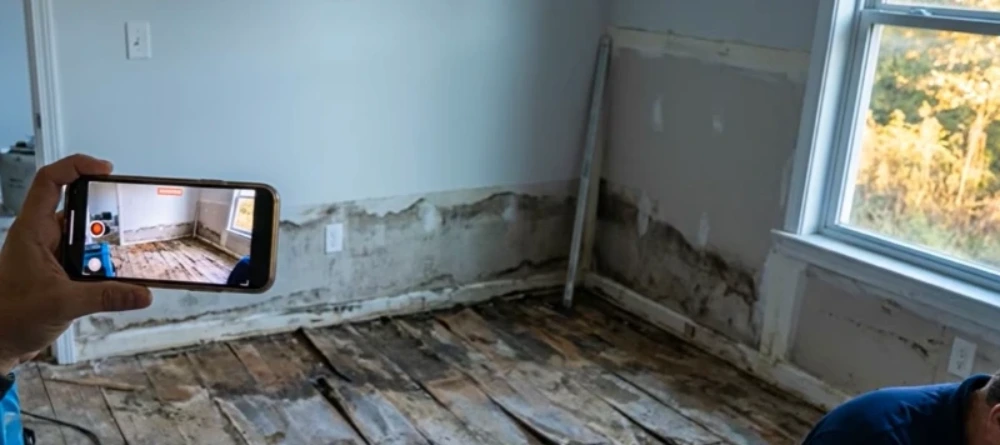
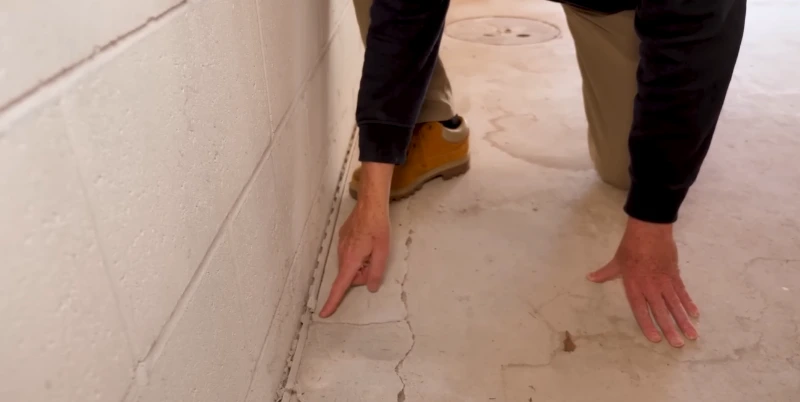
| Where you see water | What usually causes it | Usual fix |
|---|---|---|
| Along the bottom edge of the walls | Water pressure under the floor and against the footing (the “cove joint”) | Interior drain tile and a sump pump |
| A line of water from one crack | A shrinkage or settling crack in a poured wall | Crack injection |
| Damp, dark patches on block walls | Hollow block cores filling with water from wet clay | Interior drain system, or exterior membrane |
| Under a basement window | A window well filling with water | Well drain, cover, or regrading |
| Water rising up through the floor | High groundwater under the slab | Interior drain tile and a sump pump |
| From floor drains during storms | Sewer backup, not a waterproofing leak | Backwater valve; call a plumber |
Tip: tape a 12-inch square of plastic wrap to a damp wall for 24 hours. Water under the plastic means it’s coming through the wall. Water on top means it’s humidity condensing from the air.
Why Akron basements leak
Why Akron Basements Get Wet
Much of Akron sits on clay-rich glacial soil. Clay holds water and drains slowly, so after a storm the soil around your foundation stays soaked and pushes water against the walls for days. Add roughly 38 to 40 inches of precipitation a year, heavy snowmelt in March and April, and many freeze–thaw cycles each winter, and older walls take a beating.
Age matters too. The typical Akron home was built around 1954, and about a third were built before 1940. Many have block or clay-tile foundations with old (or no) drain tile, and footing drains that clogged decades ago.
Storms can also overwhelm city sewers. The August 2024 flash flood in west Akron and Merriman Valley showed how fast basements fill when water has nowhere to go. That kind of flooding needs a backwater valve as well as waterproofing.
Cheapest first
Wet Basement Repair in Akron, From Cheapest to Biggest Fix
- Gutters and downspouts ($100–$500). Clean gutters and extend downspouts at least 6 to 10 feet from the house. This alone stops many Akron leaks.
- Grading ($500–$3,000). Build up soil so it slopes away from the foundation, about 6 inches of drop over the first 10 feet.
- Crack injection ($250–$1,000 per crack). For a single leaking crack in a poured wall. See foundation crack repair.
- Sump pump ($400–$2,500). Replacing a failed pump or adding a backup. See the sump pump cost guide.
- Interior drain tile and sump pump. The most common full fix for Akron basements with water at the floor edge. See interior waterproofing.
- Exterior waterproofing. Digging down to the footing to add a membrane and new drain tile. Best for block walls that soak through or when the outside must be fixed. See exterior waterproofing.
Most full Akron waterproofing jobs land between about $3,000 and $15,000. Our Akron basement waterproofing cost guide breaks this down by job.
What not to do
Wet Basement “Fixes” That Usually Don’t Last
- Waterproof paint alone. It can help with light dampness, but it peels when water pushes from behind, especially on block walls.
- Hydraulic cement along the floor joint. Water just finds the next weak spot.
- Covering wet walls with drywall. It hides the water and traps mold behind the wall.
- Ignoring a running sump pump. A pump that runs constantly in dry weather is a sign something has changed.
Right now
What to Do Today Before Wet Basement Repair in Akron
- Keep away from standing water near outlets, the furnace or the water heater. Turn off power to the basement at the panel if you can do it safely.
- Move stored items off the floor.
- Pump or wet-vac standing water and run fans and a dehumidifier. Dry wet materials within 24 to 48 hours to limit mold.
- Take photos and note where the water started. That saves time at your inspection.
- Check the gutters and downspouts as soon as it’s safe.
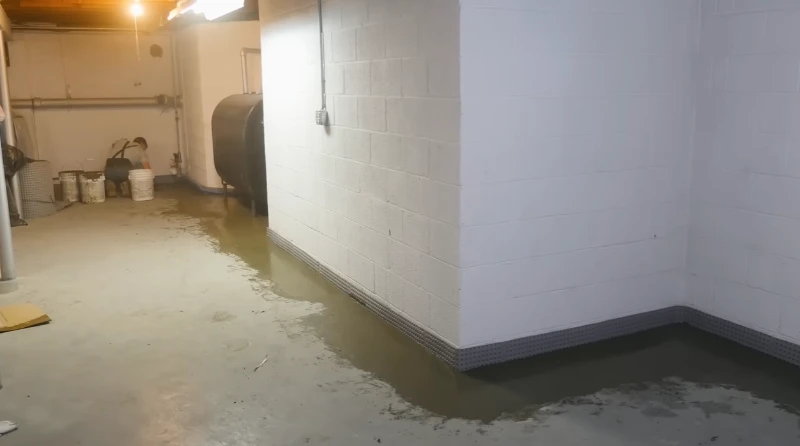
If you smell something musty after the water is gone, see our guide to basement mold in Akron.
Get Your Wet Basement Checked for Free
We’ll find where the water is coming in and tell you the smallest fix that will actually work, with a written price.
FAQ
Wet Basement Repair in Akron: Common Questions
How much does wet basement repair cost in Akron?
It depends on the source. Downspout and grading fixes can cost a few hundred dollars. A single crack is usually $250 to $1,000. Full interior or exterior waterproofing usually runs about $3,000 to $15,000.
Why does my basement only leak in spring?
Snowmelt plus spring rain soaks Akron’s clay soil while the ground is still thawing, so water pressure against the walls peaks in March and April.
Is a little water in the basement normal?
No. Even small, regular seepage means water pressure is building outside the wall. It tends to get worse over time and brings humidity and mold.
Will homeowners insurance cover a wet basement?
Usually not for groundwater seepage or long-term leaks. Some policies cover sudden events or offer sewer backup coverage. Check your policy with your agent.
Can I fix a wet basement myself?
You can handle gutters, downspouts, grading and a dehumidifier. Drain tile, sump pits and structural cracks are best left to a pro.