Mold & musty smell · Akron, OH
Basement Mold in Akron: Fix the Water First
Basement mold in Akron and that musty basement smell both mean one thing: something is staying damp. In Akron it’s usually one of two things: humid summer air condensing on cool basement walls, or water slowly getting in through the walls or floor. Cleaning the mold helps for a while, but it comes back until the moisture is fixed. Here’s how to tell which one you have and what to do.
- Humidity or leak: how to tell
- When you can clean it yourself
- How to keep it from coming back
Signs
Signs of a Moisture Problem in Your Basement
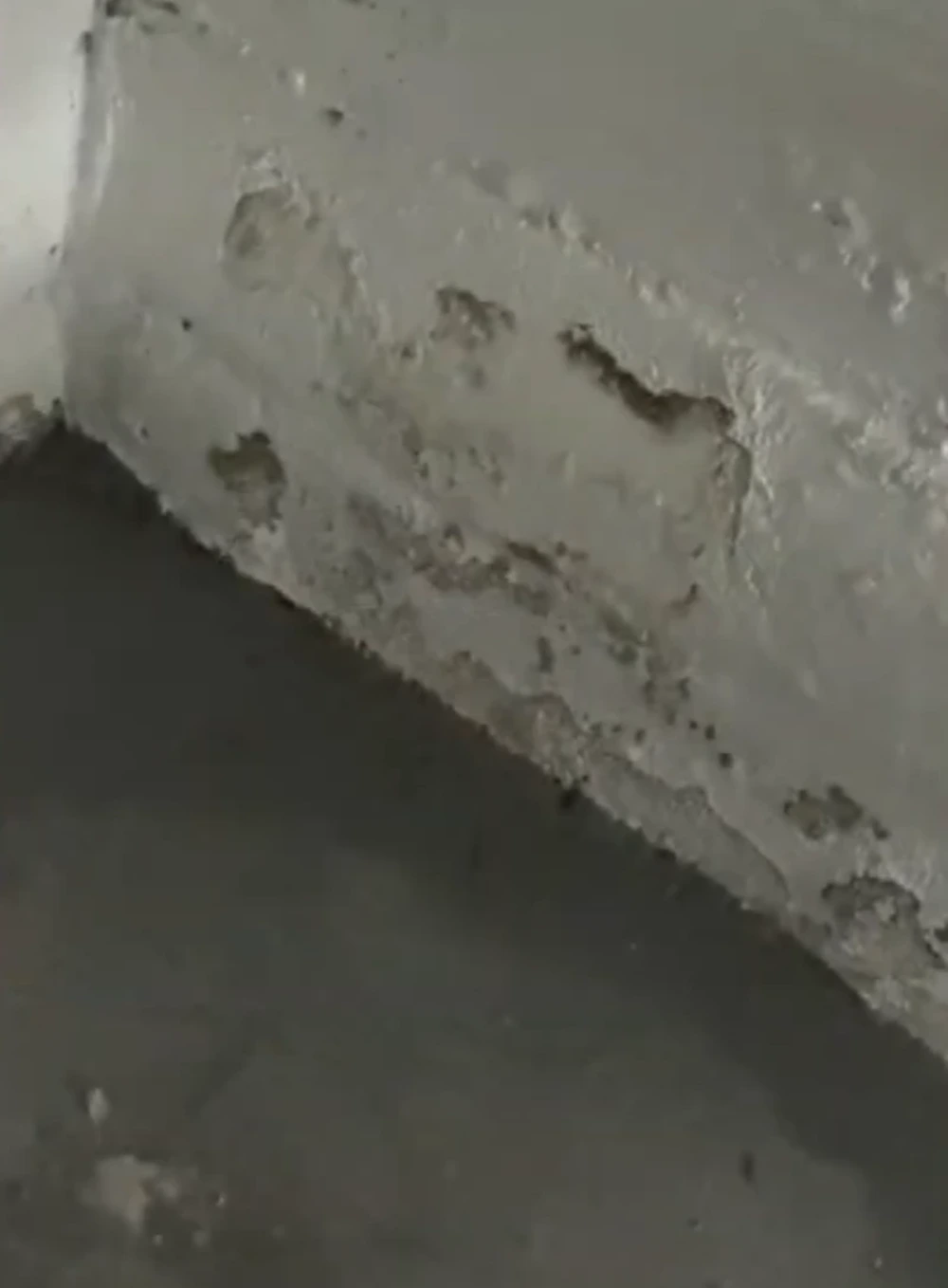
- An earthy, musty smell that’s stronger in summer or after rain
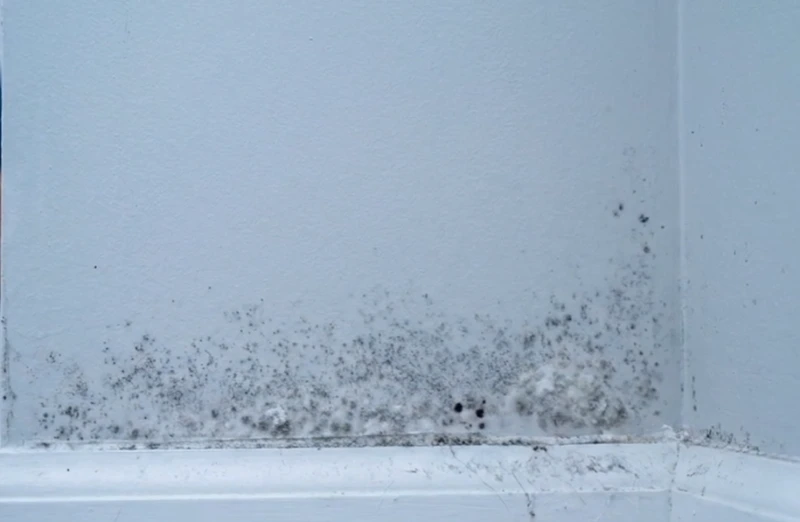
- Black, green or white spots on walls, wood, boxes or carpet
- White, chalky powder on concrete or block (efflorescence, a sign water is moving through the wall)
- Sweating cold water pipes or a damp feel to the air
- Peeling paint or soft, stained drywall near the floor
- Allergy-like symptoms that are worse in the basement
Humidity or leak
Is It Humidity or a Leak?
| Clue | Points to humidity | Points to a leak |
|---|---|---|
| When it’s worst | Hot, sticky summer days | After rain or during snowmelt |
| Plastic-wrap test (12-inch square taped to the wall for 24 hours) | Moisture on top of the plastic | Moisture under the plastic |
| Where the mold is | Spread out, on cool surfaces and stored items | Low on walls, near cracks or the floor edge |
| Humidity meter reading | Above 60% most of the time | May be normal between storms |
The U.S. EPA recommends keeping indoor humidity below 60%, ideally between 30% and 50%. An inexpensive humidity meter tells you where you stand.
Why Akron
Why Akron Basements Get Musty
Akron summers are humid, and basement walls stay cool because they’re surrounded by soil. Warm, moist air touches the cool concrete and condenses, much like a cold glass on a summer day.
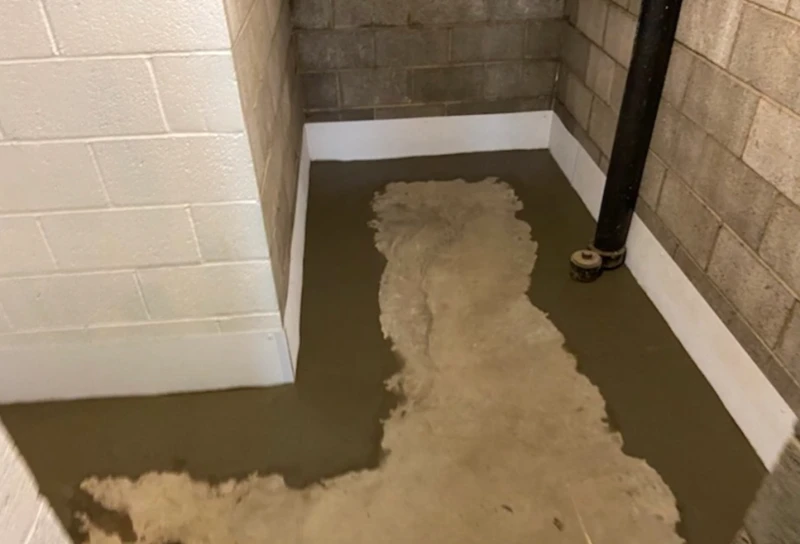
On top of that, clay soil around older Akron foundations holds water against the walls for days after a storm. Block walls soak it up, and old footing drains often no longer work. Even without puddles, that steady dampness is enough to feed mold on wood, drywall, cardboard and carpet. Left alone, that steady dampness turns into mold damage on drywall, carpet and stored boxes, which is why basement mold in Akron is so common in older homes.
Fixes
How to Fix Basement Mold in Akron for Good
- Stop the water. If it’s a leak, fix the source first: gutters and grading, then crack repair or a drain system. See wet basement repair.
- Control humidity. Run a dehumidifier sized for your basement and set it around 45% to 50%. Drain it to a floor drain or sump pit so it runs nonstop.
- Dry anything wet within 24 to 48 hours. That’s how long it takes mold to start.
- Clean small areas yourself. The EPA says an area under about 10 square feet is usually a DIY job: scrub hard surfaces with detergent and water, then dry them. Wear an N-95 mask, gloves and goggles.
- Replace what can’t be cleaned. Moldy carpet, ceiling tiles and drywall usually need to go.
- Call a mold professional for areas over 10 square feet, mold in your HVAC system, sewage water, or if anyone has health concerns.
The EPA doesn’t recommend bleach for routine mold cleanup, and never mix bleach with ammonia cleaners.
Mold damage
Mold Damage in Akron Basements: What to Do First
Mold damage in an Akron basement usually shows up after a leak, a sump pump failure or a heavy storm. The mold itself is only half the job. If the water source is not fixed, the mold grows back on the new drywall, carpet or wood.
Basement Flood Cleanup in Akron: The First 48 Hours
The EPA says wet materials should be dried within 24 to 48 hours to help prevent mold growth. After a basement flood in Akron:
- Stay safe. Turn off power to the basement if water is near outlets or appliances, and keep out of sewage water.
- Remove the water. Use a wet/dry vac or pump, then run fans and a dehumidifier around the clock.
- Pull out wet items. Wet carpet, padding, cardboard boxes and soaked drywall near the floor usually need to go.
- Take photos of the water and damage before you throw anything away, for your insurance company.
- Find where the water came in. Check the sump pump, floor drain, wall cracks and the joint where the wall meets the floor.
Akron Mold Remediation: When to Call a Pro
- The moldy area is larger than about 10 square feet (the EPA guideline).
- Mold is in your heating and cooling ducts.
- The water was sewage or a sewer backup.
- Mold keeps coming back after you clean it.
- Someone in the home has asthma, allergies or other health concerns.
A mold remediation company removes the mold. A waterproofing contractor fixes the leak that caused it. Most Akron homes with repeat basement mold need both, in that order: stop the water, then clean up the mold.
Check your homeowners policy: many standard policies do not cover groundwater flooding, and sewer backup coverage is often a separate add-on.
Keep it dry
Keep Your Basement From Getting Musty Again
- Store items in plastic bins, not cardboard, and keep them off the floor.
- Leave a few inches between stored items and the walls for air flow.
- Keep dryer vents sealed and venting outside.
- Insulate cold water pipes to stop sweating.
- Have a sump pump with a sealed lid so pit moisture stays out of the air. See the sump pump cost guide.
- Test for radon too. Summit County Public Health recommends it, and it’s a separate issue from mold.
Find Out What’s Making Your Basement Damp
Book a free inspection. We’ll check the walls, floor and drainage and tell you if it’s a leak, humidity, or both, and what it will take to fix.
FAQ
Basement Mold Questions From Akron Homeowners
Why does my basement smell musty but I don’t see water?
Usually humidity. Warm, humid air condenses on cool walls and feeds mold on wood, drywall and stored items. A humidity reading above 60% is a strong clue.
Will a dehumidifier get rid of basement mold?
It stops new mold from growing by drying the air, but it won’t remove existing mold or stop a leak. Clean small areas and fix any water coming in.
Do you do mold removal?
We fix the water and moisture that cause basement mold. For large mold cleanups, we recommend a licensed mold remediation company.
Is basement mold dangerous?
Mold can trigger allergies and asthma, especially in sensitive people. Large areas, or mold after sewage flooding, should be handled by professionals.
What humidity should my basement be?
Below 60%, and ideally between 30% and 50%, according to the U.S. EPA.