DIY vs. Professional Basement Waterproofing
Akron basement tips
DIY vs. Professional Basement Waterproofing
DIY basement waterproofing can solve more problems than most people expect, especially the ones that start outside. But some jobs really do need a pro. This guide sorts them out so you spend money only where it matters.
- Fixes worth doing yourself
- Jobs to leave to a pro
- How to tell which you need
Do it yourself
DIY Fixes That Actually Work
Extend your downspouts The single most effective DIY fix. Each downspout should empty at least 6 to 10 feet from the foundation, onto ground that slopes away. Extensions cost a few dollars each.
Clean the gutters Overflowing gutters dump water right against the wall. Clean them in spring and late fall.
Regrade small areas Build up soil against the foundation so it slopes away about 6 inches over the first 10 feet. Use soil, not mulch or gravel.
Control humidity A good dehumidifier set to 30 to 50% humidity stops most musty smells. Empty or drain it regularly.
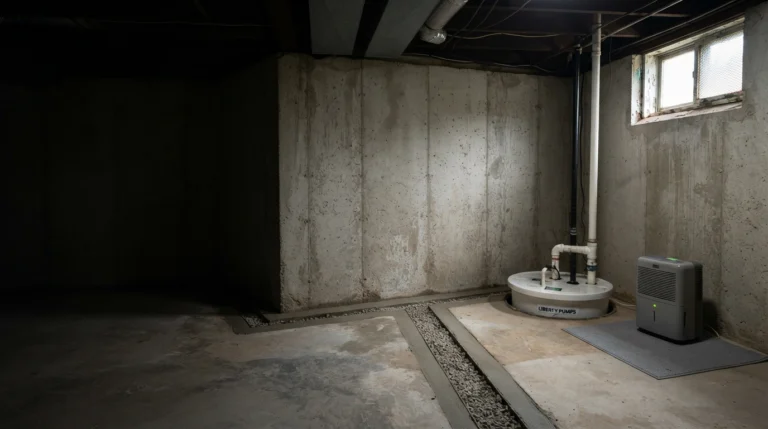
Test your sump pump Pour a bucket of water into the pit twice a year and make sure it switches on and off.
Leave it to a pro
Jobs That Need a Professional
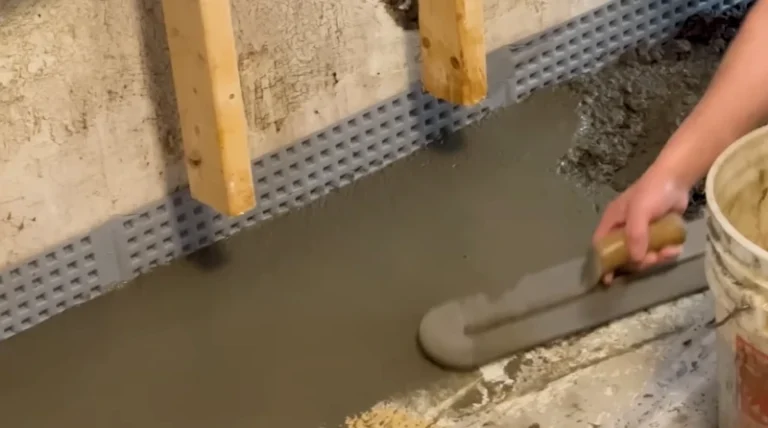
- Interior drain tile. Breaking and replacing concrete along the walls, setting slope and connecting to a sump.
- Exterior excavation. Digging to the footing is dangerous; trenches can collapse.
- Structural repair. Bowing walls and horizontal cracks need engineering judgment.
- Crack injection that keeps failing. DIY kits work on some cracks, but a pro can tell if the crack is active.
- Sewer and plumbing work. A backwater valve usually needs a licensed plumber.
Somewhere in between
The Gray Zone
| Job | DIY possible? | Our take |
|---|---|---|
| Sealing a dry hairline crack | Yes | Fine for cosmetic cracks |
| Injecting a leaking crack | With a kit | Works sometimes; hire a pro if it keeps leaking |
| Replacing a sump pump | Yes, if it’s a direct swap | Get the size and check valve right |
| Waterproof paint | Yes | Only helps with light dampness, not real leaks |
| Burying downspout lines | Yes | Make sure they slope and have a pop-up outlet |
How to decide
Try This Order
- Do the free and cheap outside fixes first.
- Watch the basement through a few heavy rains.
- If it still leaks, note exactly where and when.
- Then get two or three professional estimates.
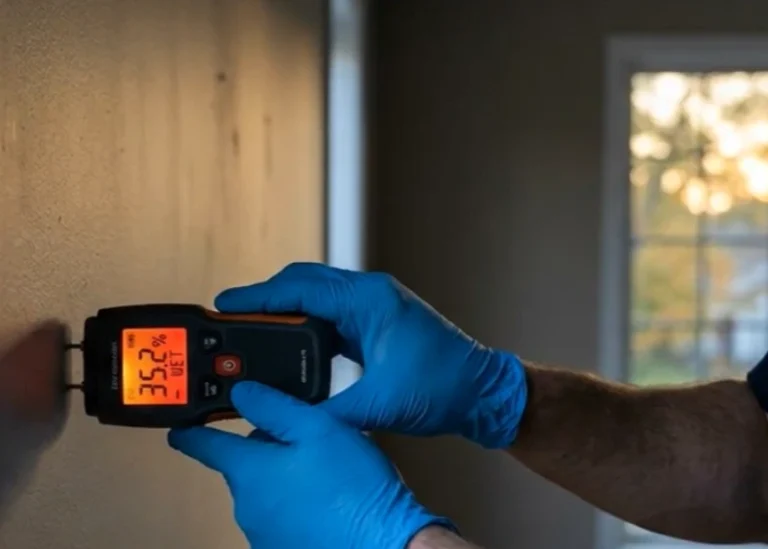
Starting with DIY gives any contractor better information, and it often means a smaller job.
Safety first: never stand in water near electrical outlets or appliances, and never dig a deep trench next to a foundation on your own.
What to spend
DIY Costs vs. Pro Costs
| Fix | DIY cost | Pro cost (Akron, estimate) |
|---|---|---|
| Downspout extensions | $10 to $50 each | $220 to $625 for several |
| Regrading a small area | Cost of soil and a weekend | $500 to $5,000 |
| Dehumidifier | $250 to $400 for a portable unit | $1,500 to $3,500 whole-basement |
| Sump pump swap | $150 to $400 for the pump | $600 to $2,500 installed |
| Interior drain tile | Not recommended | $3,000 to $9,000 |
Pro prices are estimates only; final prices are set after an on-site visit.
Common questions
DIY Waterproofing: Common Questions
Can I install an interior drain myself?
Some skilled homeowners do, but it’s heavy, dusty work and mistakes in slope or stone are hard to undo. Most people are better off hiring it.
Will DIY work void a warranty?
If you change or drill into an installed system, it can. Check the terms first.
What DIY fix helps the most in Akron?
Downspouts and grading, by far. Clay soil makes outside water management especially important.
Tried the DIY Fixes and Still Wet?
Book a free estimate. We’ll find what’s left and price only what you need.