Akron basement tips
Does Homeowners Insurance Cover a Wet Basement in Ohio?
You come downstairs after a storm and there’s water on the basement floor. One of the first questions is: will insurance pay for this? The honest answer is “it depends on where the water came from.” Here’s how standard Ohio homeowners policies usually treat basement water, the add-on most people don’t know they need, and what to do before you file a claim.
- What is usually covered, and what isn’t
- The water backup add-on explained
- 5 steps to take before you call your insurer
The short answer
It Depends on Where the Water Came From
Most homeowners policies are written to cover sudden and accidental water damage. They usually exclude water that comes from outside and below the house, and damage that happened slowly over time.
That matters a lot in Akron. Most wet basements here are caused by groundwater pushing in through walls and floors, which is exactly the kind of water a standard policy usually leaves out. (Here’s why Akron basements leak so often.)
Note: This is general information, not insurance or legal advice. Every policy is different, so always read your own policy and talk to your agent.
Quick guide
What Is Usually Covered (and What Isn’t)
| Where the water came from | Standard policy? | What usually covers it |
|---|---|---|
| A burst or frozen pipe inside the home | Usually yes | Your homeowners policy |
| A water heater or washer hose that suddenly fails | Usually yes (the damage, not the appliance) | Your homeowners policy |
| Sewer or floor drain backup | Usually no | Water backup endorsement |
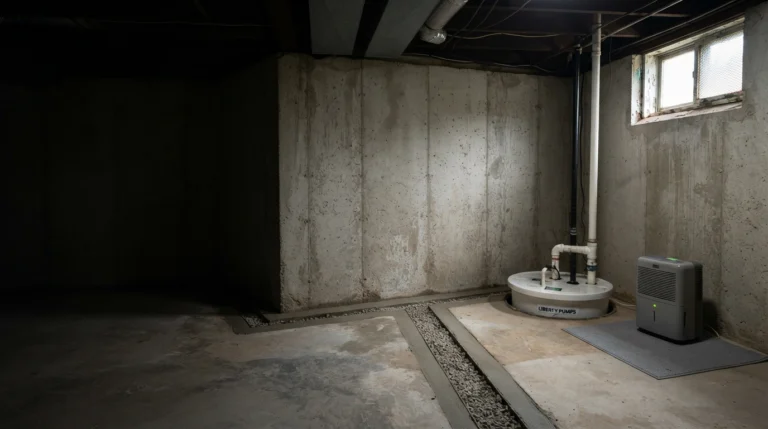
| Sump pump that fails or can’t keep up | Usually no | Water backup endorsement |
| Groundwater seeping through walls or floor | Usually no | Not insurable; fix the cause |
| Surface flooding from heavy rain or a creek | No | Separate flood insurance (NFIP or private) |
| Slow leak or crack that got worse over time | Usually no | Maintenance; fix the cause |
The add-on
Water Backup Coverage: The Add-On Most People Skip
Water backup coverage (sometimes called “sewer and drain backup”) is an endorsement you add to your homeowners policy. It typically pays for damage when water backs up through a sewer or drain, or overflows from a sump pump, even if the pump broke down.
- Typical limits: often around $5,000 to $25,000, depending on the insurer.
- Typical cost: often a small yearly add-on, roughly $30 to $70 per year for the first $5,000 of coverage.
- What it usually won’t pay for: the broken sump pump itself, outside flooding, or damage from neglect.
For an Akron home with a finished basement or a sump pump, this is one of the cheapest ways to protect yourself. Ask your agent if you have it and what the limit is.
Flood insurance
What About Flood Insurance?
True flooding (rising surface water that covers normally dry land) is not covered by homeowners insurance. It needs a separate flood policy, such as one from the National Flood Insurance Program (NFIP).
Even then, basement coverage is limited. NFIP policies cover things like your furnace, water heater, electrical systems and sump pump in a basement. They don’t cover finished walls, flooring, furniture or most belongings stored down there.
Before you file
5 Steps to Take Before You Call Your Insurer
- Stay safe. Don’t walk through standing water near outlets or appliances. Shut off power to the basement if you can do it safely.
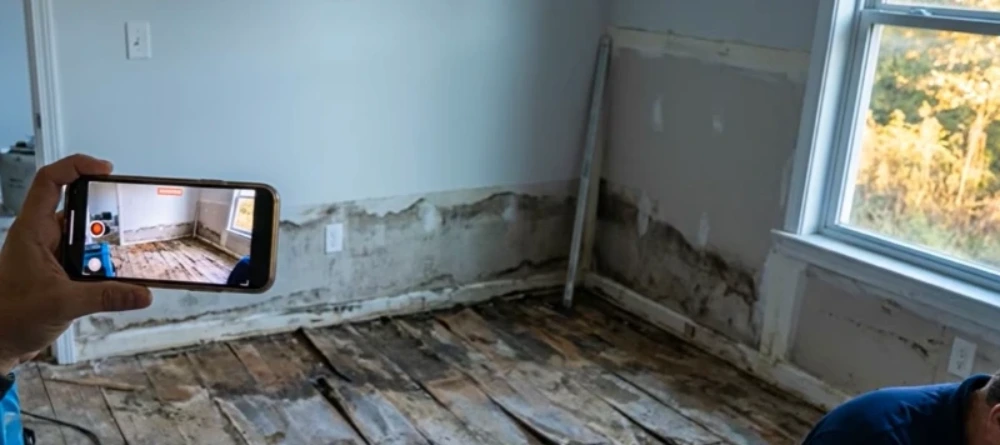
- Take photos and video. Capture the water level, damaged items and where the water seems to be coming in.
- Stop more damage. Move belongings to dry areas, run fans and a dehumidifier, and pull up wet rugs. Most policies expect you to prevent further damage.
- Find the source. Was it a pipe, a drain, the sump pit, or the walls and floor? This decides which coverage, if any, applies.
- Read your policy. Look for “water backup,” “sewer or drain,” “flood” and “seepage” before you call.
If your basement has stayed damp for weeks, watch for mold too. Our guide to basement mold and musty smells in Akron explains what to do.
Long-term fix
Insurance Isn’t a Waterproofing Plan
Since seepage and slow leaks are rarely covered, the best protection is stopping the water at the source. Depending on your home, that might mean interior drain tile and a sump pump, exterior waterproofing or simply sealing a leaking crack.
Curious what that costs? See our basement waterproofing cost in Akron guide.
Find Out Where Your Water Is Coming From
Book a free inspection. We’ll pinpoint the source of the water, which also helps when you talk to your insurer, and give you a written price for a lasting fix.
Common questions
Basement Insurance FAQs
Is a wet basement covered by homeowners insurance in Ohio?
Only if the water came from a sudden, accidental source inside the home, like a burst pipe. Groundwater seepage and slow leaks are usually not covered.
Does homeowners insurance cover sump pump failure?
Usually only if you added water backup coverage. Even then, the pump itself often isn’t covered, just the water damage.
Is sewer backup covered?
Not by most standard policies. You normally need a sewer and drain backup endorsement.
Does flood insurance cover a finished basement?
NFIP flood insurance covers basement essentials like the furnace, water heater and sump pump, but not finished walls, flooring or most belongings.
Will waterproofing lower my insurance premium?
It may not change your premium, but it lowers the chance of a costly claim. Ask your agent whether they offer any discounts.