Akron basement tips
Interior vs. Exterior Basement Waterproofing: Which Does Your Akron Home Need?
There are two main ways to keep water out of a basement: stop it outside before it reaches the wall, or catch it inside and pump it away. Both work. The right one depends on your foundation, your yard, your budget and whether your basement is finished. Here’s a plain-English comparison to help you decide.
- How each method works
- Side-by-side comparison
- Which one fits your Akron home
Inside the basement
How Interior Waterproofing Works
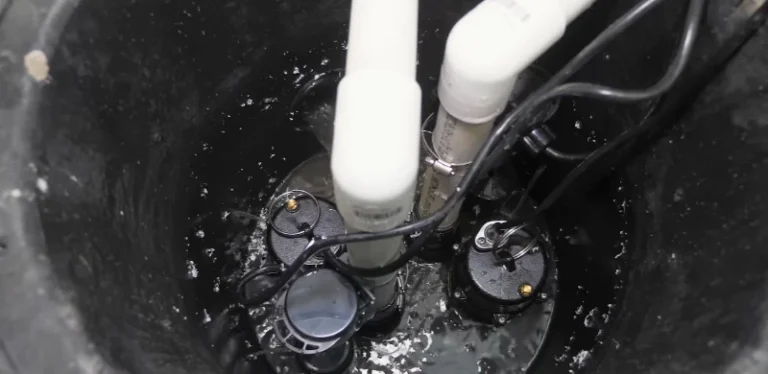
Interior waterproofing doesn’t try to stop water from reaching the wall. Instead, it controls the water once it gets there. A crew cuts a narrow trench around the inside edge of the basement floor, lays perforated drain pipe in gravel, and connects it to a sump pump that sends the water outside.
A plastic wall membrane is often added so water running down the walls goes into the drain instead of across the floor. It works well against the most common Akron problem: water pushing up where the wall meets the floor. Learn more on our interior basement waterproofing page.
Outside the foundation
How Exterior Waterproofing Works
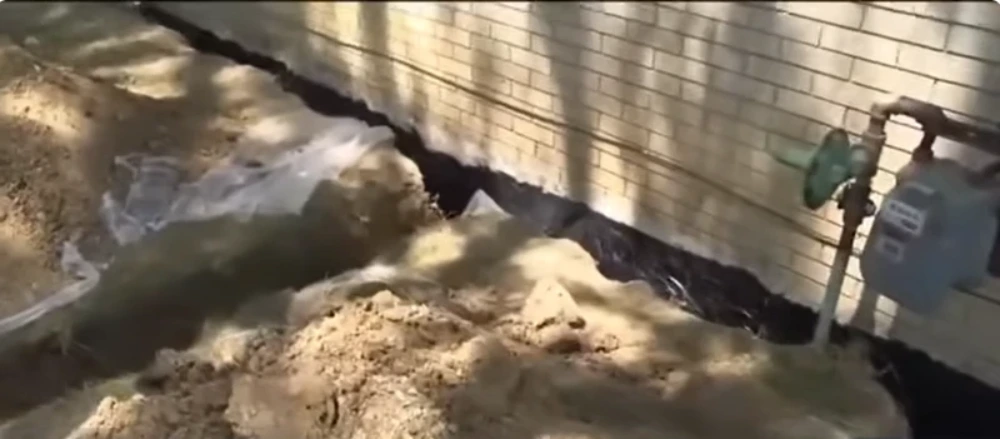
Exterior waterproofing stops water before it touches the foundation. The soil is dug out down to the footing, the wall is cleaned and repaired, and a waterproof membrane is applied. New drain tile is laid at the footing, then the trench is backfilled with gravel and soil.
It’s the most complete fix, and it also protects the wall itself from moisture and freeze–thaw damage. But it means digging up landscaping, walkways or driveways along the wall. See our exterior basement waterproofing page for details.
Side by side
Interior vs. Exterior at a Glance
| Interior | Exterior | |
|---|---|---|
| How it works | Catches water inside and pumps it out | Stops water before it reaches the wall |
| Typical cost | Lower | Higher |
| Disruption | Inside the basement only | Digging around the outside of the house |
| Best time to do it | Any season | Best in dry months, before the ground freezes |
| Protects the wall itself | No, water still reaches the wall | Yes |
| Needs a sump pump | Yes | Often, depending on the drain outlet |
| Works with a finished basement | Some finished walls must come out | Yes, inside stays untouched |
For typical prices in our area, see the basement waterproofing cost in Akron guide.
Making the choice
Which One Is Right for Your Home?
Interior is often the better fit if:
- Water comes in where the wall meets the floor
- The basement is unfinished or partly finished
- There’s a driveway, porch or patio right against the wall
- You want the most cost-effective fix that lasts
Exterior is often the better fit if:
- Water is coming through the wall itself, not just at the floor
- The basement is fully finished and you don’t want to tear it up
- The foundation wall needs repair or protection from outside
- You’re already regrading or landscaping the yard
Many Akron homes need a mix. For example, an interior drain for most of the basement, plus exterior work on one problem wall, or fixing gutters and grading first. And if walls are cracking or bowing inward, that has to be addressed along with the waterproofing.
Start simple
Check the Cheap Fixes First
Before paying for either system, make sure the basics are working:
- Gutters are clean and not overflowing
- Downspouts carry water several feet away from the house
- The soil around the house slopes away from the foundation
- Window wells are clear and covered
These won’t fix groundwater pressure, but they can make a big difference for leaks that only show up near one corner after storms. Our post on why Akron basements leak covers more of the local causes.
Not Sure Which Method You Need?
Book a free inspection. We’ll look at where the water comes in, check your foundation and yard, and recommend the simplest fix that will actually last, with a written price.
Common questions
Interior vs. Exterior FAQs
Is interior or exterior basement waterproofing better?
Neither is better for every home. Exterior stops water before it reaches the wall. Interior manages water that gets in. The right choice depends on where the water enters and how your basement is used.
Is interior waterproofing a real fix or a band-aid?
A properly installed interior drain tile and sump system is a long-term fix for groundwater. Sealer paints alone are not.
Why is exterior waterproofing more expensive?
It requires digging down to the footing around the house, then backfilling and restoring the yard, which takes more labor and equipment.
Can I waterproof a basement in winter in Akron?
Interior work can be done any time of year. Exterior digging is easier before the ground freezes.
Do I need a sump pump with interior waterproofing?
Yes. The interior drain collects water and the sump pump removes it from the house.