Akron basement tips
7 Signs Your Sump Pump Is Failing (Before Your Akron Basement Floods)
In a lot of Akron homes, the sump pump is the only thing between a heavy spring rain and a flooded basement. Most pumps don’t die without warning. They give small signs first. Here are the 7 to watch for, how to test your pump in 5 minutes, and when it makes more sense to replace it than repair it.
- The 7 warning signs, in plain English
- A simple 5-minute test you can do today
- Repair or replace: how to decide
Why it matters
Why Akron Sump Pumps Work So Hard
Akron’s heavy clay soil holds water against your foundation for days after a storm, and spring snowmelt keeps the ground soaked for weeks. That means the pump in your basement may run far more often than one in a home built on sandy soil. (We explain the local causes in why Akron basements leak.)
More running time means more wear. Most sump pumps last around 7 to 10 years with good care, and less if they run constantly. If yours is older than that, or you don’t know how old it is, the signs below matter even more.
The warning signs
7 Signs Your Sump Pump Is Failing
1. It runs all the time, even when it’s dry outside
A pump that never shuts off may have a stuck float switch, a broken check valve letting water fall back into the pit, or a pump that is simply too small for the water coming in. Constant running also burns out the motor fast.
2. It turns on and off every few seconds
Short, rapid cycling usually points to a float switch set wrong or a missing or failed check valve. It puts heavy wear on the switch and motor.
3. It doesn’t turn on when the pit fills
This is the most dangerous sign. It can mean a jammed float, a tripped breaker or GFCI outlet, or a burned-out motor. If the pit is filling and nothing happens, act the same day.
4. New grinding, rattling or loud humming
Pumps should make a steady hum. Grinding or rattling often means a damaged impeller or debris pulled into the pump. Humming with no water moving can mean the motor is trying to run but the impeller is stuck.
5. Strong vibration
A bent or damaged impeller makes the pump shake. Over time, that vibration loosens parts and shortens the pump’s life.
6. Rust, scale or a slimy film
Visible rust on the pump or discharge pipe, or a rust-colored slime in the pit, can mean corroding parts or iron bacteria that clog the pump. Either one is worth a closer look.
7. Water in the basement, even though the pump is running
If the pump runs but you still get water, it may be too weak, the discharge line may be clogged or frozen, or water may be entering somewhere the pump can’t reach. That is often a sign the basement needs more than a new pump, such as interior drain tile.
Test it yourself
A 5-Minute Sump Pump Test
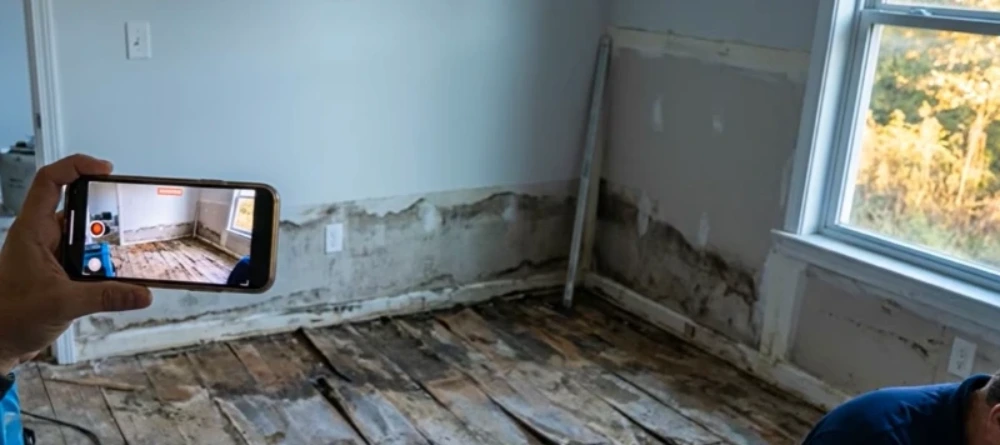
Do this at least twice a year. Early spring, before the thaw, and late fall are good times in Northeast Ohio.
- Look first. Check that the pump is plugged in and the cord isn’t damaged. Clear any debris out of the pit.
- Fill the pit. Slowly pour a bucket of water into the pit until the float rises.
- Watch it start. The pump should switch on by itself and empty the pit in a few seconds, then shut off.
- Check outside. Go to where the discharge line ends. Water should be flowing out, well away from the house.
- Listen. Note any grinding, rattling or strong vibration.
If the pump didn’t start, struggled, or water didn’t come out the discharge line, it needs attention before the next big storm.
Quick guide
What Each Sign Usually Means
| What you notice | Likely cause | Usual fix |
|---|---|---|
| Runs nonstop | Stuck float, bad check valve or undersized pump | Adjust or replace switch; check valve; bigger pump |
| Cycles every few seconds | Float set wrong or failed check valve | Reset float; replace check valve |
| Won’t turn on | Tripped breaker, jammed float or dead motor | Reset power; free float; replace pump |
| Grinding or rattling | Damaged impeller or debris | Clean pit; replace pump if damaged |
| Water in basement while pump runs | Pump too small or blocked discharge | Clear line; upgrade pump or add drain tile |
Not sure which one fits your home? Our sump pump installation page explains pump types and setups we use in Akron basements.
Repair or replace
When to Replace Instead of Repair
A simple fix, like a stuck float or a tripped GFCI, is worth doing. But replacement usually makes more sense when:
- The pump is 7 years old or more
- The motor has burned out
- It has failed more than once
- It can’t keep up during heavy rain
- You have no battery backup and storms often knock out power
A battery backup pump is a smart add-on in Akron. The worst storms often bring both heavy rain and power outages, which is exactly when your main pump stops. To see typical prices, read our sump pump installation cost in Akron guide.
Worried About Your Sump Pump?
Book a free inspection. We’ll test your pump, check the pit and discharge line, and tell you honestly whether it needs a repair, a replacement or nothing at all.
Common questions
Sump Pump FAQs
How long does a sump pump last?
Most last around 7 to 10 years with regular care. Pumps that run very often, which is common in Akron’s wet clay soil, may wear out sooner.
How often should I test my sump pump?
Test it at least twice a year, ideally before spring thaw and in late fall. It only takes a bucket of water and a few minutes.
Is it normal for a sump pump to run a lot after rain?
Yes, it’s normal for it to run often during and after heavy rain or snowmelt. It’s not normal for it to run nonstop when the weather has been dry.
Do I need a battery backup sump pump?
If power outages happen during storms in your area, a battery backup is strongly recommended. It keeps water moving when your main pump loses power.
Does homeowners insurance cover a failed sump pump?
Usually only if you added water backup coverage to your policy. Check with your insurance agent.