Akron’s Sewer System and Your Basement: 311, Backups and the Tunnels
Akron basement tips
Akron’s Sewer System and Your Basement: Backups, Who to Call and the Tunnels
An Akron sewer backup is one of the worst ways to get water in a basement, because it isn’t just water. This guide explains how the city’s sewer works, why backups happen, who is responsible for what and how to protect your home.
- How Akron’s combined sewer works
- Who to call and who pays
- How to stop backups for good
The basics
How Akron’s Sewer System Works
Older parts of Akron use a combined sewer. Rain from streets and roofs flows into the same pipes as wastewater from homes. On a dry day those pipes carry everything to the treatment plant with room to spare. In a big storm they can fill to the top.
When the pipes are full, water looks for the lowest way out. In some neighborhoods that has meant overflows into the Little Cuyahoga and Cuyahoga rivers. In a house, the lowest opening is usually the basement floor drain.
The big fix
What the Tunnels Are For
In 2009 Akron signed a federal consent decree to cut sewer overflows, with a deadline in 2028. The biggest project so far is the Ohio Canal Interceptor Tunnel: a tunnel 27 feet across and about 6,200 feet long that stores more than 25 million gallons of combined sewage during storms until the plant can treat it. A second tunnel on the north side was approved later.
These projects mainly protect the rivers. They help the system cope, but they don’t guarantee that a single street, or a single house with a blocked lateral, will never back up.
Two kinds of backup
Is It the City Sewer or Your Lateral?
| Clue | Probably the city main | Probably your lateral |
|---|---|---|
| When it happens | During or right after heavy rain | Any time, including dry weather |
| Neighbors affected? | Often several houses at once | Usually just your house |
| What triggers it | Storm volume | Running the washer, showers, flushing |
| First step | Call the city dispatcher | Call the city, then a sewer cleaner or plumber |
Under city ordinance, Akron homeowners are responsible for maintaining the whole sewer lateral, from the house to the city main. For residential homes, the city handles structural repairs in the public right-of-way and the owner handles the part on private property.
What to do now
What to Do During an Akron Sewer Backup
- Stop using water. Every flush or load of laundry adds to the backup.
- Call the city first. Akron’s Sewer Maintenance dispatcher answers 24 hours a day at (330) 375-2666. You can also report it through Akron 311.
- Stay safe. Sewer water carries bacteria. Keep kids and pets out, wear boots and gloves, and don’t touch electrical equipment standing in water.
- Document it. Take photos and video for insurance before cleanup.
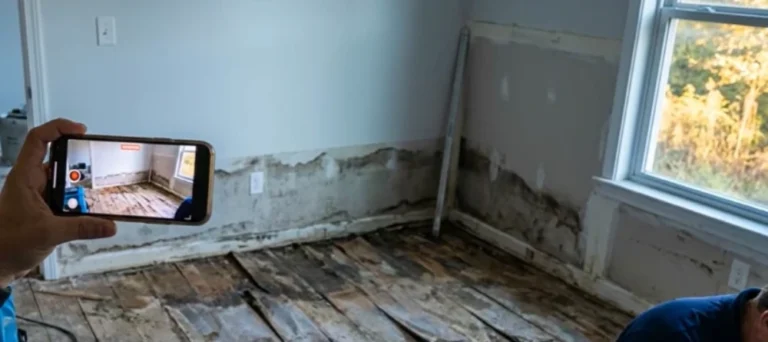
- Clean and dry within 48 hours. That’s how quickly mold can start. Porous items that soaked in sewage usually have to go.
Prevention
How to Stop Sewer Backups for Good
- Keep the lateral clear. Don’t pour grease down drains or flush wipes, even “flushable” ones. Have roots cleared if they keep coming back.
- Use the city’s free inspection. Akron offers free lateral inspections when the line is open and flowing.
- Get the downspouts out of the sewer. Roof water should go to the yard or an approved storm line, not into the sanitary system.
- Install a backwater valve. A backwater valve closes automatically when sewer water tries to come back in.
- Add a sewer backup rider. Many policies don’t cover it by default. See does homeowners insurance cover a wet basement in Ohio.
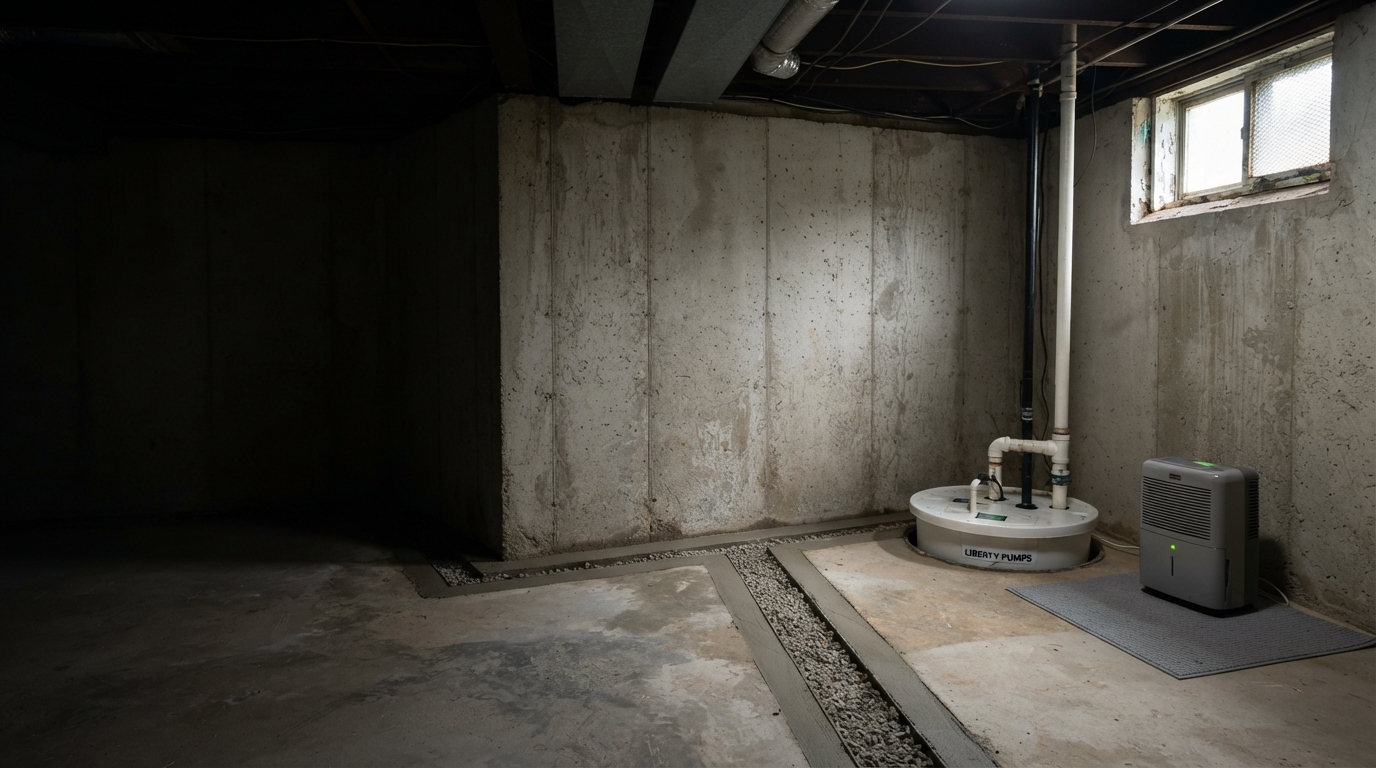
Water coming through the walls or the floor–wall joint is groundwater, not sewer water. That needs a different fix, usually interior drain tile and a sump pump.
Common questions
Akron Sewer Backup: Common Questions
Who pays for a sewer backup in Akron?
It depends on the cause. If the problem is in your lateral, the repair is generally the owner’s responsibility. If the city main failed, call the city and ask about its claims process. Insurance only helps if your policy covers sewer backup.
Will the new tunnels stop my basement from backing up?
They reduce overflows across the system, but they can’t fix a blocked lateral or a low floor drain on your property. A backwater valve protects your house directly.
Is it safe to clean up sewage myself?
Small, fresh backups can be cleaned with gloves, boots and disinfectant. For large or deep backups, or if anyone in the home has health concerns, use a professional cleanup company.
Want to Stop Backups for Good?
We’ll check your floor drain, lateral and sump setup and give you a written price for the fix that fits.