Maintenance-Free vs. Cleanout Drain Systems
Akron basement tips
Maintenance-Free vs. Cleanout Drain Systems: Which Is Better?
Some contractors sell their interior drain as “maintenance-free.” Others insist every system needs a basement drain cleanout. Both can be right, depending on what’s in your soil and water. Here’s how to decide.
- How each type works
- Why some drains clog
- Which one fits an Akron basement
The difference
What Each System Is
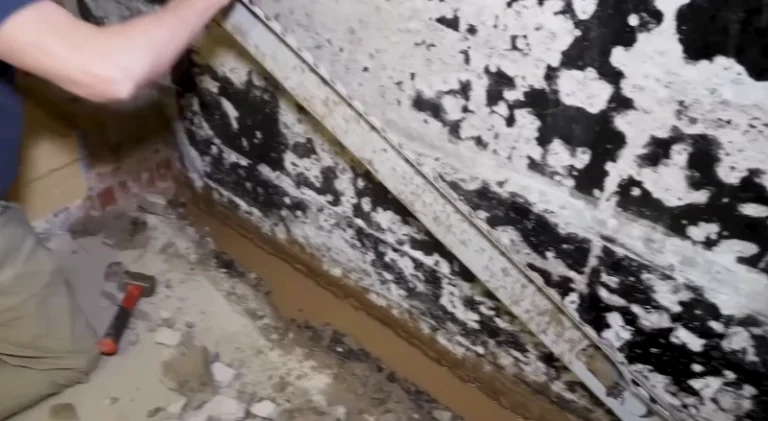
A cleanout is a capped access port, usually at the corners of an interior drain, that lets a plumber run a hose or jetter through the pipe. A maintenance-free system has no access ports. It relies on good design, such as clean stone, filter fabric and proper slope, to keep the pipe clear for decades.
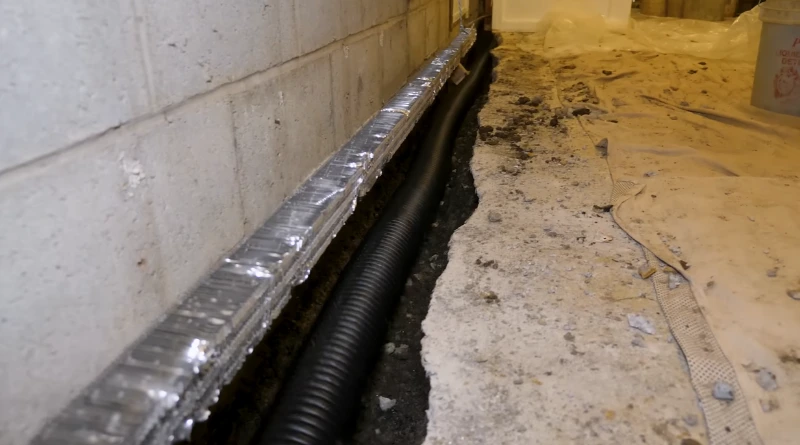
Why drains clog
What Actually Clogs an Interior Drain
- Silt and fine clay. Akron’s clay soil can wash into a drain that has no filter fabric or uses dirty stone.
- Iron ochre. In some areas, iron in groundwater feeds bacteria that create an orange, slimy sludge. It can clog pipes within a few years.
- Construction debris. Concrete dust and chips left in the trench.
- Reverse slope. A pipe that dips the wrong way collects sediment.
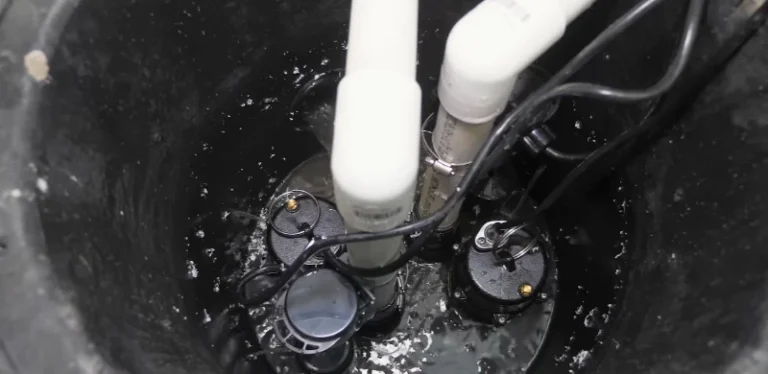
If your old system has orange slime in the sump pit, that’s a strong sign of iron ochre, and a cleanout is worth having.
Comparing them
Side by Side
| Factor | Cleanout system | Maintenance-free system |
|---|---|---|
| Upfront cost | Slightly higher | Slightly lower |
| Can it be flushed? | Yes | No; clogged sections must be dug out |
| Best for | Iron ochre, silty soil, older homes | Clean groundwater, well-draining soil |
| Ongoing care | Inspect yearly, flush when needed | Check the sump pit; little else |
| Risk | Caps forgotten under flooring | Expensive repair if it ever clogs |
Our view
What We Recommend in Akron
For most Akron basements, we prefer cleanouts. The added cost is small, and clay soil plus older homes make some silting likely over 20 or 30 years. Being able to flush the line beats breaking up a finished floor later.
A maintenance-free design can be fine where the soil drains well and the groundwater is clear. Either way, the basics matter more: filter fabric, clean washed stone, steady slope to the sump and a pump sized for the inflow. See interior basement waterproofing.
Keeping it working
Simple Maintenance for Any System
- Look in the sump pit twice a year for sludge, silt or orange slime.
- Pour a bucket of water in to test the pump.
- Keep cleanout caps accessible if you finish the basement.
- Flush the drain if water starts appearing at the floor–wall joint again.
Akron homes
What We Find in Older Akron Systems
When we open up old interior drains in Akron basements, the most common problems are:
- Pipe laid flat or with low spots, so silt settled in the dips
- No filter fabric, so clay washed into the stone and pipe
- Undersized or failed sump pumps, so water backed up into the drain
- Orange iron ochre sludge in some homes, especially where groundwater is high
In most of these cases, cleanouts would have allowed the line to be flushed years earlier. That experience is the main reason we recommend them.
Common questions
Basement Drain Cleanouts: Common Questions
How often should a drain with cleanouts be flushed?
Only when needed. Many systems go years without it; iron ochre systems may need yearly flushing.
Can a cleanout be added to an existing system?
Sometimes, by opening the floor at a corner. It depends on how the original drain was built.
Does iron ochre mean my system failed?
Not necessarily. It means the system needs regular flushing to stay clear.
Unsure What Your Old System Needs?
We’ll check your sump pit and drain and tell you whether flushing, repair or replacement makes sense.