Do Waterproof Sealers and Paint (Drylok) Work?
Akron basement tips
Do Waterproof Sealers and Paint (Drylok) Work?
Does Drylok work? It’s a fair question, because a few gallons of waterproofing paint cost far less than a drain system. The honest answer: masonry waterproofers can help with light dampness, but they can’t stop real leaks caused by water pressure.
- What sealers and paint can do
- Why they fail on leaking walls
- What to use instead
What they are
Types of Basement Sealers
- Masonry waterproofing paint (Drylok and similar). A thick coating that fills pores in block and concrete.
- Penetrating sealers (silicate or siliconate). Soak into concrete and react to tighten the surface.
- Elastomeric coatings. Rubbery coatings that bridge hairline cracks.
All of them are applied to the inside of the wall, where water is pushing them off rather than pressing them on.
When they help
When Sealers and Paint Can Work
- The wall is damp to the touch but water never runs or puddles
- There are no active cracks
- The surface is clean, bare masonry (not painted already)
- Outside water is already under control: good gutters, downspouts and grading
In that situation a quality masonry waterproofer can reduce dampness and make a basement feel drier.
When they fail
Why They Fail on Leaking Walls
- Hydrostatic pressure. In Akron’s clay soil, water presses on the wall from outside. A coating on the inside gets pushed off.
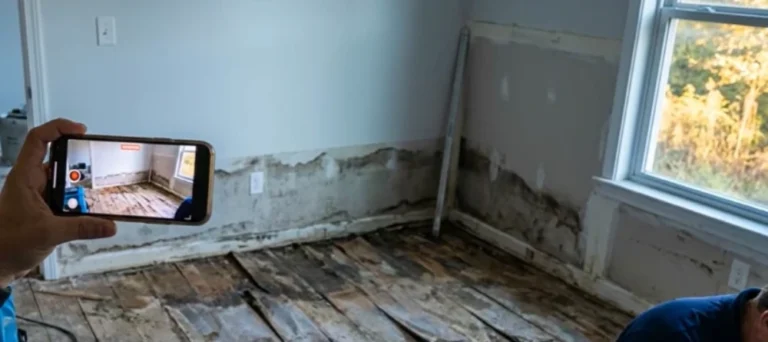
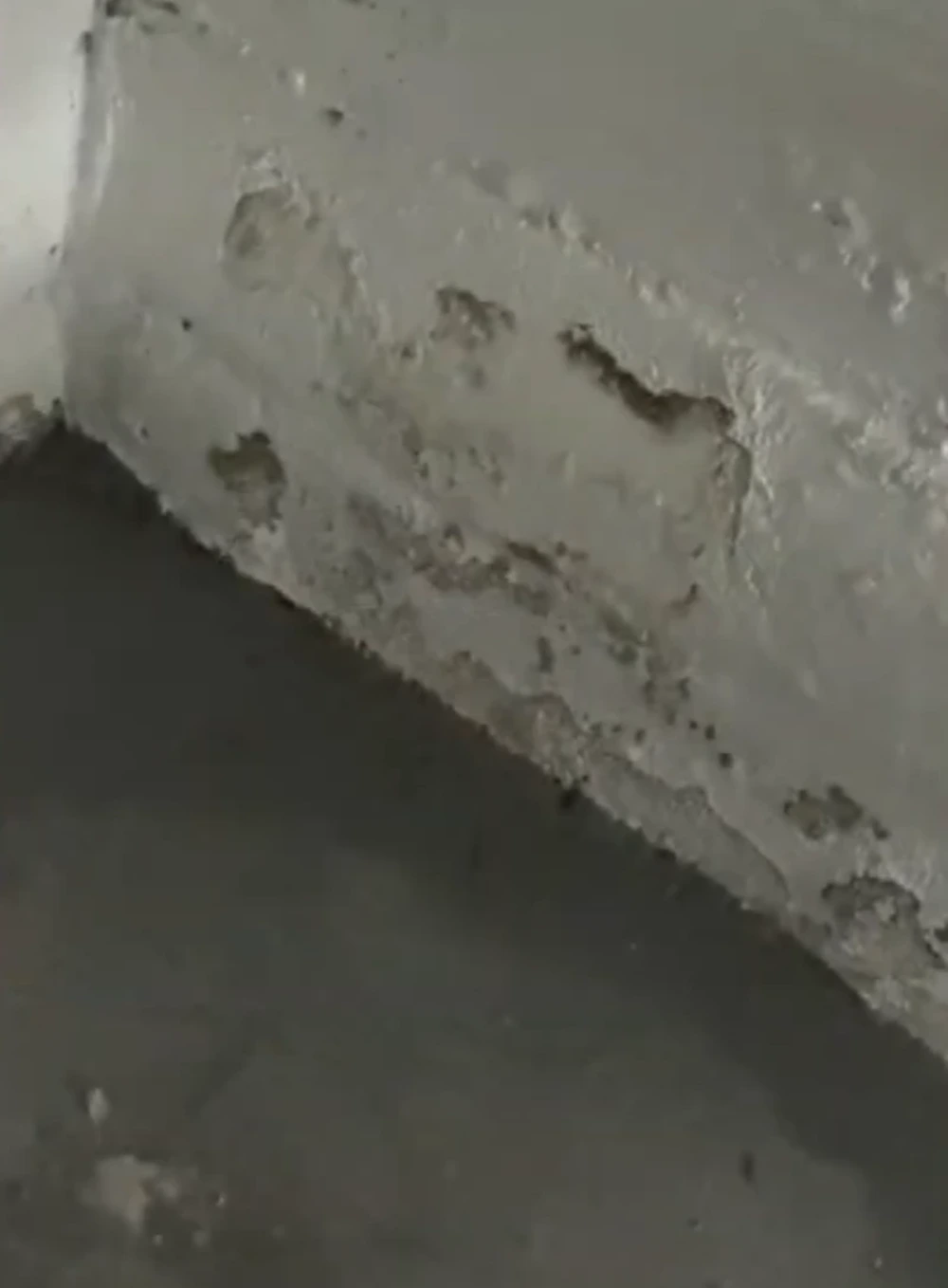
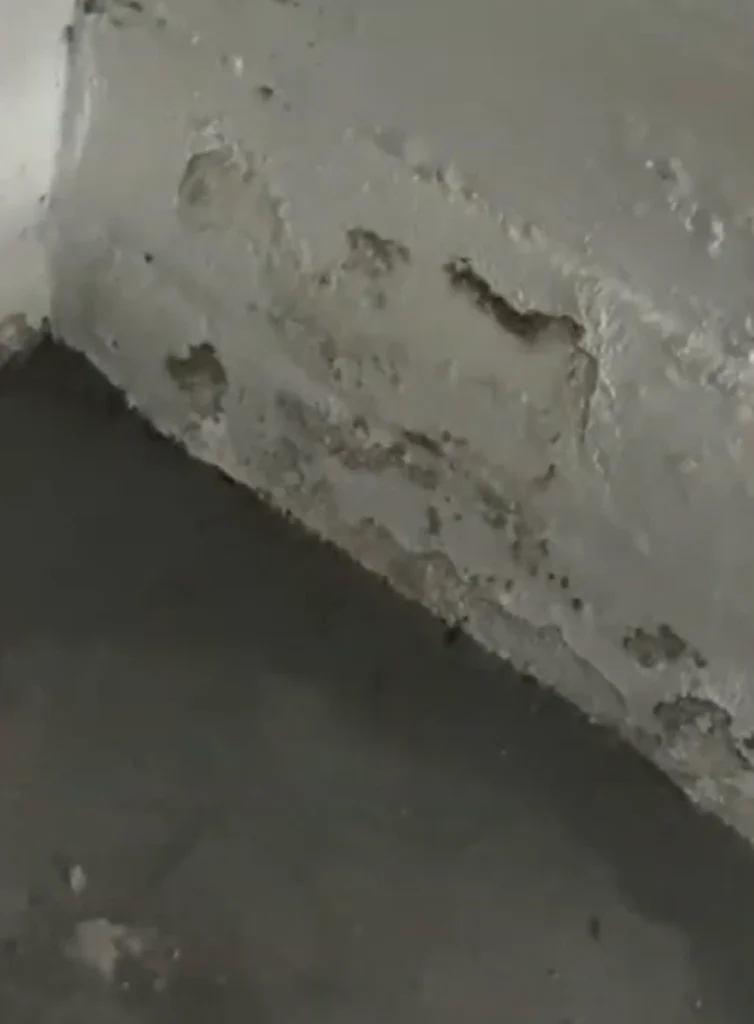
- Efflorescence. Minerals left by moving water build up behind the paint and lift it. White powder under peeling paint is the giveaway.
- Cracks and the cove joint. Most leaks come through cracks or where the floor meets the wall. Paint doesn’t seal either for long.
- Trapped moisture. Sealing a wall that’s still wet can push moisture elsewhere.
Peeling paint along the bottom few feet of a block wall is one of the most common things we see in older Akron basements.
Better options
What to Do Instead
| Problem | Better fix |
|---|---|
| Damp walls, no leaks | Fix gutters and grading, run a dehumidifier, then consider a sealer |
| Leak through one crack | Crack injection |
| Water at the floor–wall joint | Interior drain tile and sump |
| Whole wall weeping | Interior drain with a wall membrane, or exterior waterproofing |
See also DIY vs. professional waterproofing.
If you try it
How to Apply a Masonry Waterproofer Properly
If your wall is only damp and the outside water is under control, a sealer is worth trying. Do it right:
- Wait for a dry spell. The wall should be as dry as it gets.
- Remove old paint and efflorescence with a wire brush. Coatings won’t bond to powder or old paint.
- Patch holes and cracks with hydraulic cement first.
- Apply with a stiff brush, working the coating into the pores. Two coats are usually needed.
- Watch it through a wet season. If it bubbles or peels, water pressure is winning and you need a drainage fix.
Follow the manufacturer’s instructions and ventilate well; some products have strong fumes.
Common questions
Basement Sealers: Common Questions
Can I paint over efflorescence?
Not successfully. Brush it off and fix the moisture source first, or the paint will peel.
Will a sealer stop a musty smell?
Not by itself. Musty smells usually come from humidity; a dehumidifier helps more.
Should I paint before or after a drain system is installed?
After. Once water pressure is relieved, a coating can work much better.
Peeling Paint and Damp Walls?
We’ll tell you whether a sealer is enough or whether something bigger is going on.